
Can an AC (or Heat Pump) Get a Tune-Up in Winter?
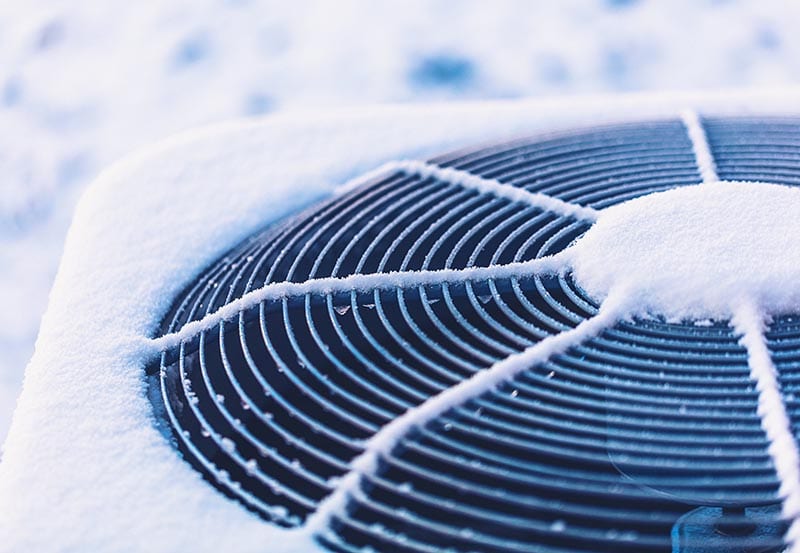
If you live in a region with a short warm season—like many parts of Ohio—you may wonder whether it’s even possible to keep up with regular air conditioner or heat pump maintenance. After all, there are only so many mild spring or summer days to go around, and thousands of homeowners near Bowling Green, OH, are trying to schedule tune-ups at the same time.
So, what happens if your AC or heat pump is due for maintenance, but it’s already fall or still winter?
The good news: Yes, an AC or heat pump can be maintained in cooler weather.
The catch: Cold temperatures make testing more complex and require special conditions, careful procedures, and some cooperation from the homeowner, you!
Downey PHCE breaks down what’s possible, what’s risky, and how winter or low‑temperature tune-ups can still be done safely and accurately.
How ACs and Heat Pumps Are Designed to Operate
Air conditioners—and the cooling mode of heat pumps—are engineered for warm-weather operation. Their performance depends on specific temperature and pressure relationships inside the system.
When the system is running in cooling mode, it:
- Absorbs heat from inside your home
- Moves that heat outdoors via refrigerant
- Relies on outdoor warmth to maintain proper refrigerant pressures
Heat pumps add versatility by providing both heating and cooling, but the cooling mode still follows the same rules as a central AC. When outdoor temperatures drop too low, normal testing conditions no longer exist.
What Happens When You Run Your Cooling System in Cold Weather in Bowling Green, OH?
Attempting to run or fully test an AC, or a heat pump in cooling mode, during cold weather in Bowling Green, OH—without specific precautions—can lead to several issues:
Inaccurate Refrigerant Pressure Readings
Refrigerant pressures naturally drop as outdoor temperatures fall. Even a perfectly healthy system can appear undercharged when the weather is cold. This makes it difficult (or impossible) for a technician to determine whether there’s a real problem.
Adjusting refrigerant based on cold‑weather readings can result in overcharging once summer arrives.
Increased Risk to the Compressor
The compressor is the most expensive component in your cooling system—and cold weather puts it at risk. Refrigerant can migrate or condense improperly, and thicker oil may not circulate as designed.
Turning the system on under the wrong conditions can cause:
- Excessive wear
- Reduced lifespan
- Immediate mechanical damage in extreme cases
Poor Oil Circulation
Refrigeration oil thickens at lower temperatures and may not return to the compressor properly. Without proper lubrication, internal parts can wear faster and fail prematurely.
Ice Formation on Coils
Cold ambient temperatures increase the likelihood of evaporator coil freezing, which restricts airflow and adds strain to the entire system.
So… Can or Should an AC Be Tuned Up in Winter?
Yes, just not in the same way as a summer tune-up.
When outdoor temperatures are below normal testing ranges, HVAC professionals rely on low‑ambient maintenance procedures rather than standard cooling performance tests.
This is especially important in Ohio, where waiting for a long stretch of warm days just isn’t realistic.
What About Heat Pumps?
Yes, even heat pumps can be tuned up and tested in cold weather. Their cooling mode still follows AC rules, which can actually mean two things when booking a cold-weather HVAC tune-up:
- Its heating operation can be fully tested in winter, and
- Its cooling performance still depends on outdoor temperature requirements, so low‑ambient maintenance procedures are needed.
This makes winter a great time to service the heating side of a heat pump while preparing the cooling side for spring—taking care of all maintenance needs in one visit!
What’s the Minimum Temperature for AC or Heat Pump Cooling Tests?
There isn’t a single, universal answer.
Manufacturer requirements vary by brand and model, but most specify a minimum outdoor temperature range of 55°F to 70°F, depending on the manufacturer. This is why one technician might say 55°F is acceptable, while another insists on 65°F—it depends on the equipment.
Above that range, refrigerant pressures are stable enough to allow accurate diagnostics. Below it, readings become weather‑influenced rather than performance‑based, requiring the need for low‑ambient maintenance procedures.
At the start of your air conditioner or heat pump maintenance visit, regardless of the time of year, our HVAC technicians will verify the temperature settings set by your system’s manufacturer and perform the proper maintenance accordingly.
How Low‑Ambient Maintenance Works (and What Homeowners Need to Do)
When Downey PHCE performs low‑ambient temperature cooling maintenance—typically when outdoor temperatures are between 55 and 65 degrees—special accommodations are required.
Indoor Temperature Requirements for Cold-Season Tune-Ups of Cooling Systems
To safely and accurately perform checks of your AC or heat pump:
- The indoor temperature must be kept between 70 and 80 degrees (we typically ask homeowners to set their thermostats to 72).
- This must be maintained for 15–20 minutes while testing is performed.
For most households, this means heating the home beforehand so testing can be completed correctly. Our office explains these requirements at the time of scheduling and answers all questions or concerns, so homeowners know exactly what to expect.
What Technicians Check During Cold‑Weather Tune-Ups
Even during fall or winter cooling system maintenance appointments, our technicians can still:
- Inspect electrical components and connections
- Verify system controls and safety switches
- Check airflow and duct conditions
- Inspect coils, refrigerant lines, and visible components
- Identify early signs of wear or potential issues
- Confirm the system is prepared for warm‑weather operation
Why Winter and Fall Tune-Ups Still Make Sense
With short Ohio summers, waiting until “perfect” conditions isn’t always practical. Low‑ambient maintenance of cooling systems helps by:
- Reducing the spring/summer service rush
- Catching electrical or mechanical issues early
- Improving reliability before peak cooling demand
- Spreading maintenance throughout the year instead of bottlenecking it
Trust the Process—and Downey PHCE
If one of our HVAC technicians explains that special temperatures or preparation are required for winter maintenance of your cooling system, it’s not an inconvenience—it’s a safeguard.
Air conditioners and heat pumps can absolutely be tuned up in cooler weather when the right procedures are followed. With proper indoor conditions, manufacturer‑aware testing limits, and experienced technicians, your system can stay on track—even when outdoor temperatures don’t cooperate.
If you’re unsure whether your system qualifies for low‑ambient maintenance or want help scheduling service at the right time, reach out to Downey PHCE. We’ll help you plan smart, seasonal care that fits your climate—not just the calendar. Call (419) 823-3002 today or request service online.